
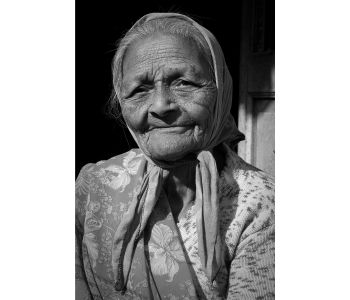
India’s elderly population is growing rapidly. According to government projections, the number of people aged 60 and above in India will exceed 319 million by 2050, making India one of the fastest-aging countries in the world. As this demographic grows, so does the need for supportive infrastructure — especially shelter homes and care facilities for senior citizens. Yet the reality on the ground is stark: most seniors in India lack access to dignified ageing support, and shelter homes often struggle to provide even basic care due to resource constraints, lack of awareness, and limited funding.
The Reality of Elderly Shelter Homes in India
1. Insufficient Infrastructure
Most Indian cities and towns lack enough quality old-age homes to meet the rising demand. Those that do exist are often small, underfunded, and inadequately staffed. Many are managed by NGOs and rely heavily on donations from well-wishers. According to data from social welfare reports, the availability of senior care facilities is uneven across states, with urban areas having slightly better infrastructure than rural regions — but still far below what is needed.
2. Sub-Standard Care
Even where shelter homes exist, many struggle with:
- Limited medical facilities or access to doctors
- Lack of trained caregivers
- Basic hygiene and sanitation challenges
- Shortage of nutritious meals and specialized diet support
- Minimal psychosocial support or recreational engagement
This creates a situation where residents may feel safe but not truly cared for, magnifying isolation and emotional distress.
Who Lives in These Homes — And Why?
People enter elderly shelter homes for many reasons:
- Abandonment by family members
- Lack of financial support or income
- Loss of a spouse or caregiver
- Chronic illness without a care network
- Institutional placement due to frailty or disability
Many of these residents are women — often widowed and without financial independence. According to recent demographic reports, 58% of India’s elderly are women, and a significant proportion live alone due to loss of spouse or family support.
Key Challenges Faced by Elderly Shelter Homes
1. Funding & Sustainability Issues
Most old age homes operate on limited budgets, relying on charitable donations, CSR support, grants, and community goodwill. Many cannot cover:
- Regular medical check-ups
- Mental wellness & counseling services
- Infrastructure upgrades (beds, bathrooms, clean drinking water)
- Recreational and social activities
- Emergency healthcare expenses
2. Emotional & Social Isolation
Physical care is only part of ageing support — emotional well-being is equally critical. Yet many shelter homes lack structured programs for:
- Emotional counseling
- Social engagement and community integration
- Cultural or festive celebrations
- Inter-generational connections
Isolation isn’t just loneliness — it is a contributing factor to depression, cognitive decline, and poor physical health outcomes.
3. Lack of Skilled Caregivers
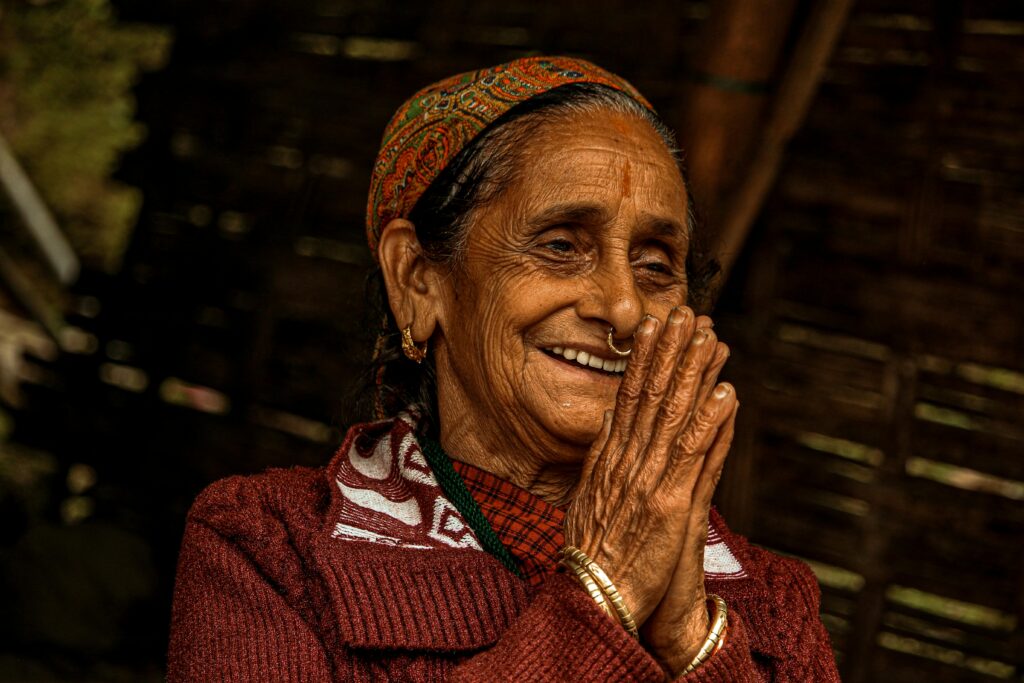
Professional geriatric care and trained caregivers are in short supply. Most staff are volunteers or helpers with limited training in:
- Elder mobility support
- Chronic disease care
- Mental health first aid
- Palliative and end-of-life care
This makes quality care difficult to maintain.
Why Support for Shelter Homes Matters
Supporting shelter homes isn’t just charity — it’s a social responsibility with broad impact:
1. Dignity in Ageing
Elders deserve more than safety; they deserve dignity, respect, and comfort. Quality shelter homes, backed by community support, ensure:
- Access to healthcare
- Emotional engagement
- A sense of belonging
- Peaceful and supported later years
2. Reduced Healthcare Burden
Elderly residents engaged in regular health monitoring and social activities tend to have fewer medical emergencies, leading to lower strain on local hospitals and emergency services.
3. Strengthened Social Fabric
When communities take responsibility for their elders, it reinforces:
- Compassion
- Inter-generational respect
- Community cohesion and belonging
How Maharani is Making a Real Difference
While awareness of elderly neglect is growing, action is still inadequate. Maharani fills this gap by providing holistic support that goes beyond shelter walls. Maharani’s model focuses on comprehensive dignity, not just basic care.
Maharani’s Core Work Includes:
✔ Upgrading living conditions in shelter homes
✔ Providing medical check-ups and health monitoring
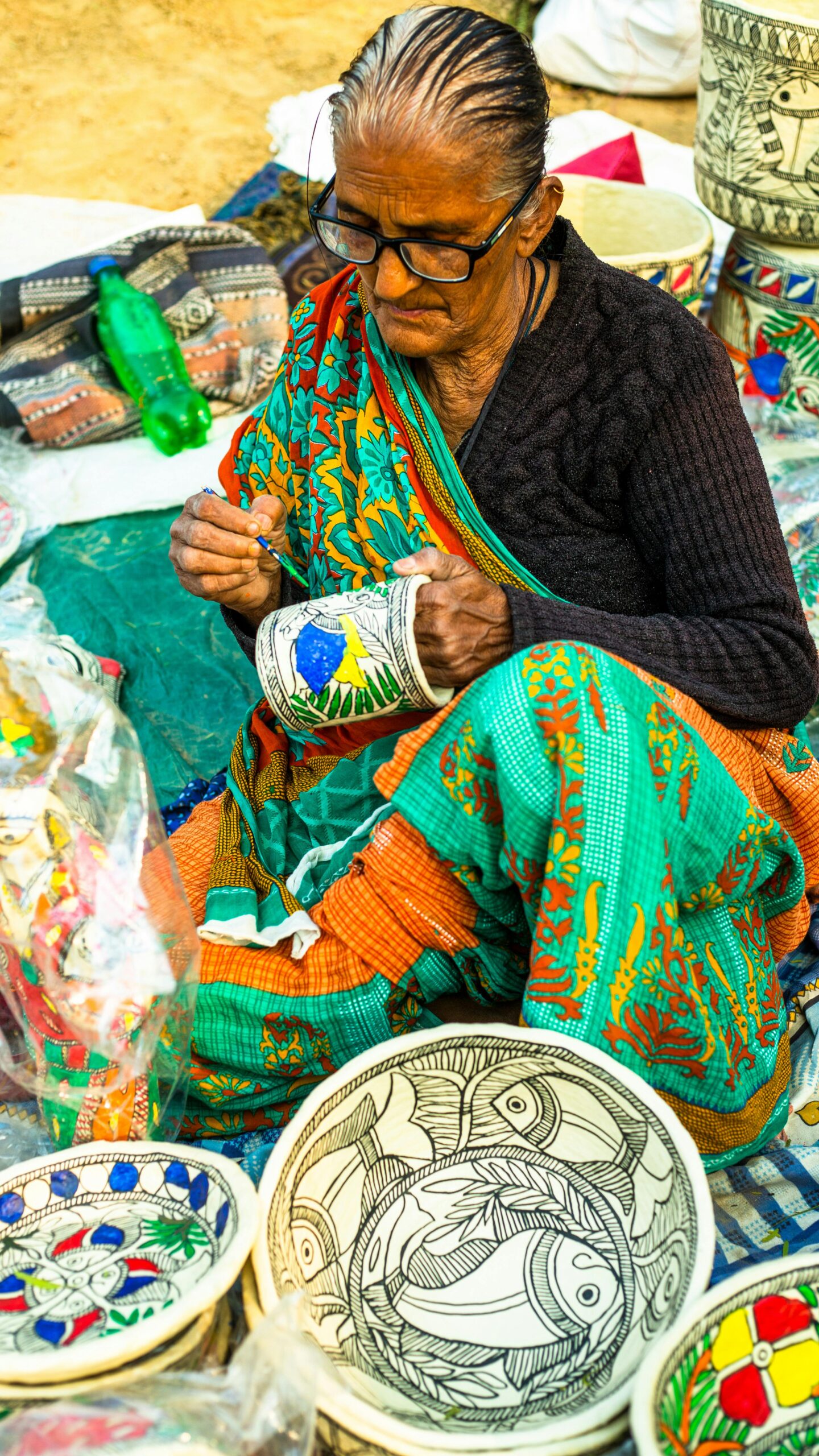
✔ Skill training and income-generating activities
✔ Emotional counseling and social support
✔ Nutritious meals and comfort essentials
✔ Recreational activities, festivals, and outings
✔ Wish-fulfillment initiatives for abandoned elders
These activities address both physical and emotional well-being — a combination that many shelter homes lack due to resource constraints.
How You Can Support Shelter Homes and Maharani
1. Donate Financially
Regular contributions help Maharani cover:
- Healthcare camps
- Comfort upgrades
- Activity programs
Wish-fulfilment missions
2. Volunteer Your Time
Volunteering brings companionship and joy into elders’ lives — often more valuable than material resources.
3. Partner Through CSR Programs
Corporates can support through:
- Financial sponsorship
- Skill-based campaigns
- Infrastructure improvement
Media & awareness campaigns
4. Spread Awareness
Sharing stories of elders and shelter homes on social media helps break stigma, builds empathy, and fosters community backing.
The Bigger Picture
Elderly shelter homes are more than institutions — they are a test of our collective compassion and humanity. In a society that prides itself on family values, the persistence of elderly neglect shows a deep gap between values and action.
Maharani bridges that gap — not with charity alone, but with care, dignity, cultural connection, and respect. Support for shelter homes and organizations like Maharani doesn’t just change individual lives — it strengthens the moral fabric of our nation.
Conclusion: The Time to Act is Now
As India’s senior population grows, so must our empathy, infrastructure, and community involvement. Shelter homes can and should be safe havens — places where elders live with dignity, respect, and joy.
When we support them — financially, emotionally, socially — we uphold a core human value: no one should grow old alone, forgotten, or unheard.