
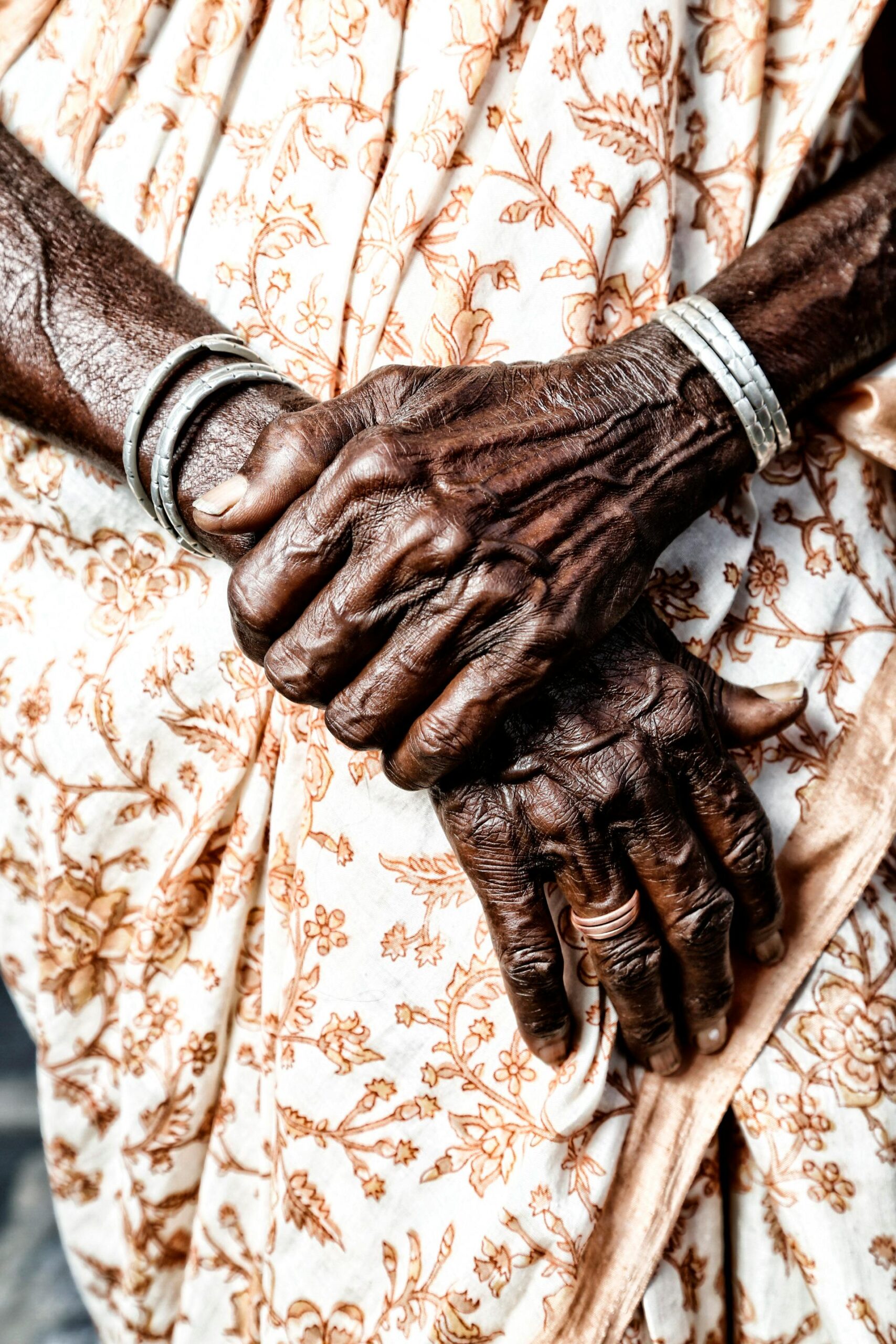
India is ageing fast—and the crisis of elder neglect is growing quietly in our homes and communities. According to national-level findings highlighted by the Government of India, 12% of India’s population is already elderly, and this is projected to rise to 319 million by 2050. Behind these numbers are real people—especially older women—who often face financial dependence, social isolation, and, in the worst cases, abuse and abandonment.
Why elderly women are at higher risk
Ageing in India is deeply gendered. Women make up 58% of the elderly population, and 54% of elderly women are widows, a reality that often increases vulnerability to neglect and exclusion. Living arrangements also matter: 6% of elderly people live alone, but the share is higher for women (9%), and loneliness frequently becomes the gateway to neglect.
What elder abuse looks like—and how common it is
Elder abuse is not always physical. It can be verbal humiliation, emotional control, financial exploitation, neglect, or abandonment. India’s Longitudinal Ageing Study in India (LASI) reports that 5% of elderly people (60+) reported ill-treatment in the previous year—and the report notes underreporting is likely, especially when the abuser is the caregiver.
Among those who experienced ill-treatment, LASI found:
- 77% faced verbal/emotional abuse
- 24% faced physical abuse
- 27% faced economic exploitation
- More than half faced neglect
It’s even more alarming who the abuse comes from. LASI reports that caregivers are often the primary abusers, with ill-treatment commonly coming from children (sons/daughters), in-laws, and spouses.
The socio-economic reality that fuels neglect
Abandonment is rarely “just emotional.” It’s closely linked to income insecurity, lack of pensions, low literacy, and health dependence.
- 78% of the elderly population is without a pension, which increases dependence on family members for daily living and healthcare.
- More than 55% of the elderly population is illiterate, limiting access to services, digital tools, and awareness of rights.
- Awareness of protections is low: HelpAge India reported awareness of the Maintenance and Welfare of Parents and Senior Citizens Act at only 9% among surveyed elders in their release.
This combination—low income security, low aw
The impact on society at large
Elder abuse and abandonment is not a private family matter—it has large-scale consequences:
- Public health strain: neglected elders often face worsening chronic disease, mental health issues, and delayed care, increasing pressure on already stretched health systems.
- Economic burden: when seniors lack pensions and support, the costs shift to emergency healthcare, charities, and institutions.
Social breakdown: a society that forgets its elders weakens the values of responsibility, empathy, and intergenerational care—creating a cycle where future ageing becomes even more precarious.
What needs to change: from awareness to action
Addressing elder abuse in India requires both systemic and community solutions:
Community engagement models that reduce isolation (volunteering, regular check-ins, senior-friendly spaces)
A note on why this matters now
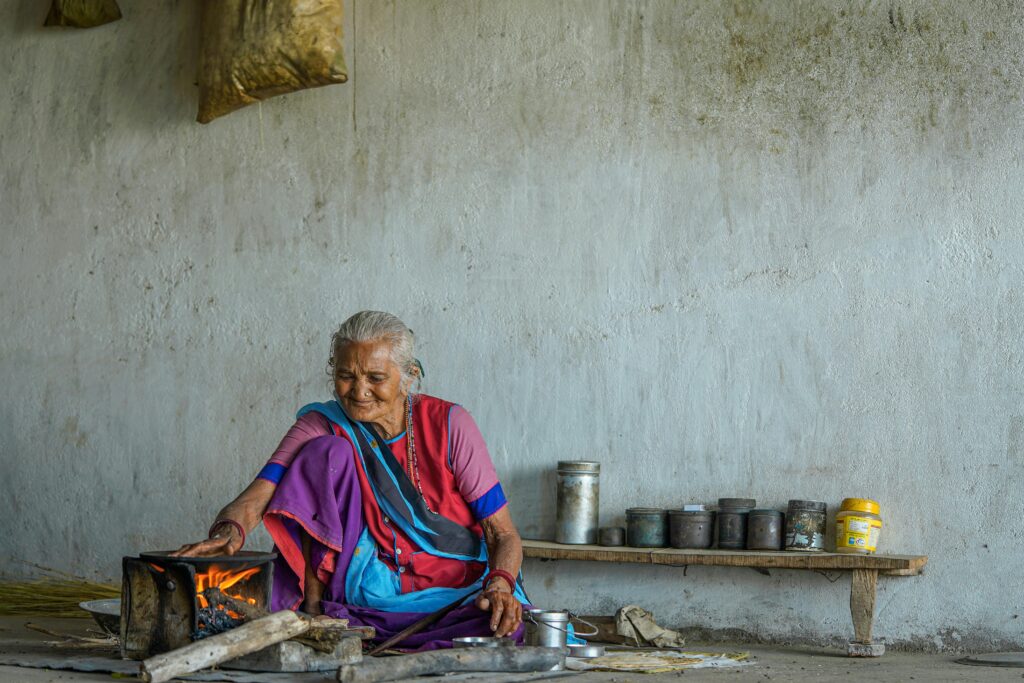
India’s ageing curve is steep—and the most vulnerable are often older mothers who spent their lives giving, only to feel invisible later. The measure of a society is not how it celebrates success, but how it treats those who can no longer “produce”—yet still deserve dignity.